
Possible Always Contributes to Published Call for Statewide Suicide Prevention Action in Florida
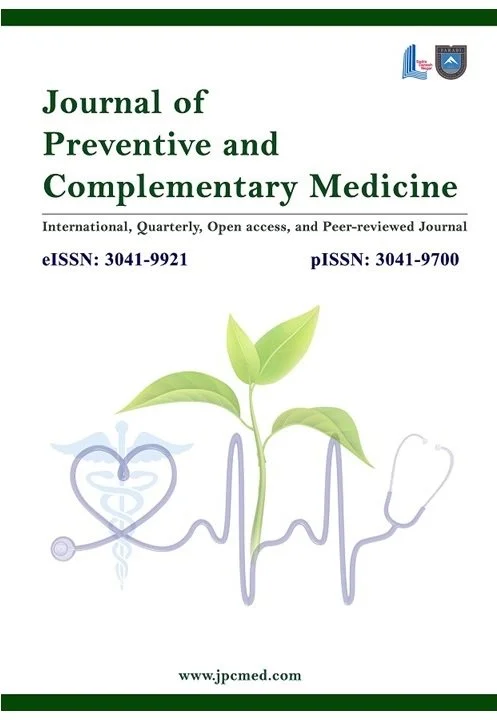
Possible Always is proud to share that Hannah Hackworth, LCSW, MBA, Co-Founder and Executive Director of Possible Always, contributed as a co-author to a newly published letter in the Journal of Preventive and Complementary Medicine titled “Suicide prevention in Florida: A must-do initiative.”
The letter was authored by Marcos A. Sanchez-Gonzalez, Nancy S. Gordon, Syed Rizvi, Hannah Hackworth, Frank D. Fincham, Rachelle Burns, and Thomas E. Joiner, bringing together leaders across healthcare, suicide prevention, digital health, research, advocacy, and community-based systems.
Together, the authors make a clear and urgent case: Florida has an opportunity — and a responsibility — to strengthen suicide prevention through coordinated, statewide action.
For Possible Always, contributing to this publication reflects our commitment to advancing a more connected crisis care continuum. Suicide prevention cannot depend on isolated interventions alone. It requires systems that can identify risk earlier, respond with clarity, and connect people to ongoing support, recovery, and belonging.
The article highlights several urgent needs across Florida, including workforce training, universal screening, workflow-integrated response protocols, technology-enabled prevention tools, and dedicated funding to sustain statewide suicide prevention infrastructure.
Its message is direct: identifying suicide risk is only the first step. The real opportunity is building systems that know what to do next.
At Possible Always, this aligns closely with our vision for crisis care. Screening must lead to response. Response must lead to connection. Connection must lead to follow-up, peer support, recovery pathways, and hope.
The article also points to the promise of digital tools that can support private disclosure, structured risk identification, automated alerts, and coordinated response. When paired with compassionate human connection and recovery-centered support, these tools can help close the gap between identifying risk and taking meaningful action.
This is the future Possible Always is working toward: a Florida suicide prevention infrastructure that integrates technology, lived experience, peer support, clinical care, and community-based recovery.
We are grateful to contribute to this important statewide conversation alongside co-authors whose work spans clinical education, suicide prevention advocacy, digital health, behavioral health research, and public health leadership.
The warning is clear: fragmented approaches will continue to miss people feeling hopeless and thinking about suicide.
The invitation is just as clear: Florida can build something better.
You Belong Here.
